

Building RESTful APIs in Java: Financial Transaction Integration
In the modern digital economy, financial transactions are the foundation of nearly every business process. From payments to settlements, the ability to move money securely and instantly is crucial for businesses. Behind these operations are RESTful APIs that form a communication bridge for data exchange between financial platforms.
RESTful APIs (Representational State Transfer APIs) provide a standardized way for systems to interact using simple HTTP protocols. When it comes to building reliable APIs — especially those that handle financial transactions, Java is one of the most trusted programming languages.
In this article, we will explore how RESTful APIs built in Java make financial systems work smoothly.
Role of RESTful APIs for Financial Transactions
Financial systems such as banking apps, digital wallets, etc, constantly exchange information. RESTful APIs act as the link between all these systems by sending requests and receiving responses in a consistent format.
Because RESTful APIs are stateless, every request received is independent and doesn’t rely on what happened before. This makes them faster, easier to scale, and more reliable, even when thousands of transactions happen at once.
Customers expect payments to go through instantly and securely every time, hence RESTful APIs help make that possible across entire financial ecosystems.
Why is Java a Great Choice?
Java has been around for decades, and it is known for its adaptability and reliability. It is able to handle multiple processes at the same time, which means it can manage thousands of transactions simultaneously without slowing down.
Another reason why Java is popular is because of its powerful framework, such as Spring Boot, Jakarta EE, and Micronaut, that help streamline services. The services provide prebuilt components for configuration, persistence, and dependency injection. They allow developers to focus on business logic rather than infrastructure.
More importantly, Java comes with strong built-in tools for security and performance. It supports encryption, secure communication, and modern authentication systems like OAuth2 and JWT, which protect against unauthorized access. In finance, where every transaction involves sensitive data, these protections are non-negotiable.
Design Implementation Principles
Building RESTful APIs for financial transactions requires precision in design. It needs to be clear, simple, and precise so that each part of the API is functioning well. As mentioned before, RESTful APIs are stateless, so every transaction request must include all necessary details, authentication tokens, and identifiers to ensure the server functions independently.
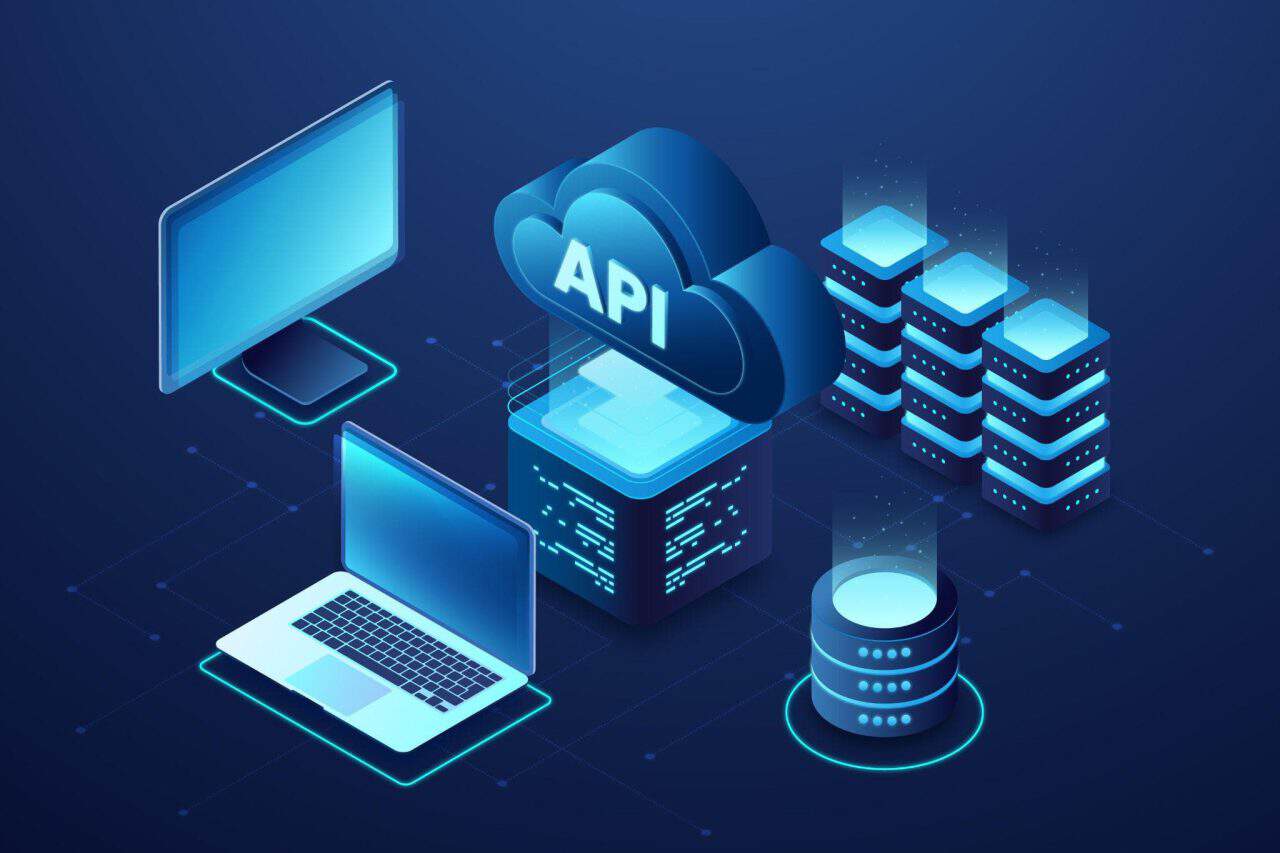
Validation and error handling are essential; every input data must be rigorously checked to prevent fraudulent transactions. Responses should follow standardized structures with consistent codes and messages to help client systems interpret outcomes easily.
Using frameworks like Spring Boot, developers can structure their APIs neatly. During validation, if an error occurs, the system can automatically undo any incomplete transactions so no money is misplaced.
Security Comes First
In financial technology, security is the foundation and always a priority. Every request that comes through the framework must be authenticated, encrypted, and authorized. Implementing standards like OAuth 2.0 or JWT ensures that only trusted clients can access the API.
All communications are encrypted with HTTPS to prevent interception or tampering. Sensitive information should never be in plain text, whether in transit or at rest. Java’s security libraries and frameworks, like Spring Security, help developers manage this safely and consistently.
Security doesn’t end at coding, but needs to comply with industry regulations like PCI-DSS for payment and GDPR for personal information. These regulations ensure that all the data is managed responsibly and legally.
Monitor and Evolution
Once built and deployed, financial APIs should be monitored continuously to ensure uptime, accuracy, and performance. Monitoring tools are integrated with Java frameworks such as Spring Actuator or Prometheus, which give insights into transactions and analyze all information.
Financial APIs are constantly evolving, as they are built on cloud platforms and even-driven architectures. Java frameworks are keeping up with these trends, helping developers build more responsive and reliable systems for the future.
Final Thoughts
Building RESTful APIs in Java for financial systems requires more than just writing code. It requires technical discipline, architectural foresight, and security awareness. It helps create digital bridges that ensure money moves safely and efficiently.
Java’s combination of security, reliability, and flexibility makes it the perfect language for this purpose. When designed thoughtfully, they will do more than just process transactions, but enhance every moment of trust between a user and the business.
No Comments
Sorry, the comment form is closed at this time.